Borderlines in Play: How Regional Laws Are Reshaping Live Dealer Availability by Jurisdiction
Alex Powell · Nov 23, 2026
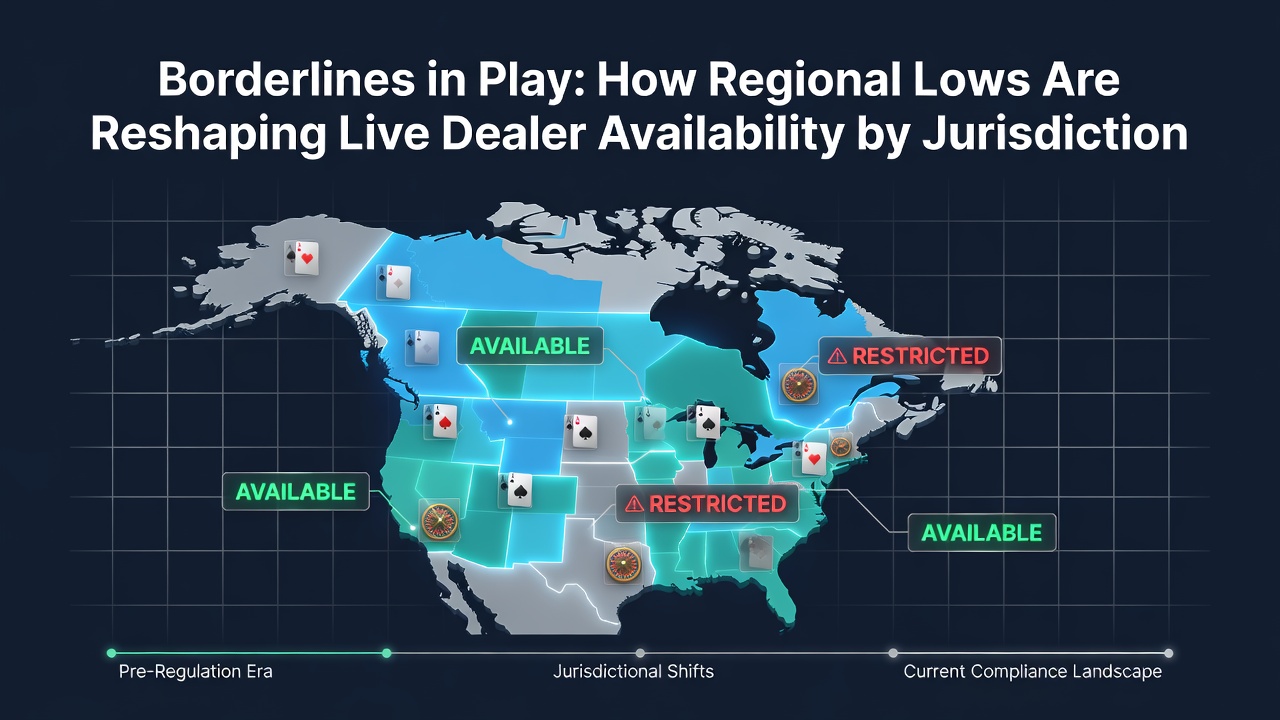
Borderlines in Play: How Regional Laws Are Reshaping Live Dealer Availability by Jurisdiction
Regional laws continue to dictate where live dealer tables can operate and reach players, creating a patchwork of access that shifts with each legislative update while operators adjust their studio locations and streaming protocols accordingly. Data from industry reports shows that jurisdictions impose rules on dealer licensing, game certification, and cross-border data flows, which directly limits or expands availability for users in specific markets.
European Frameworks and Streaming Restrictions
European nations maintain strict controls through bodies like the Malta Gaming Authority, which requires all live dealer operations to hold local licenses and transmit from approved facilities within the region, and this setup forces many providers to maintain separate studios for compliant distribution. Observers note that countries such as the Netherlands and Sweden enforce geo-blocking measures alongside player verification mandates, which reduce the number of available tables for residents even when studios operate elsewhere in the EU. Research from the European Gaming and Betting Association indicates that these requirements have led to a 15 percent decline in cross-border live dealer sessions since 2024, as platforms prioritize fully regulated markets over broader streaming.
North American State and Provincial Variations
Across North America, live dealer availability depends heavily on individual state and provincial approvals, with New Jersey and Pennsylvania permitting licensed studios inside their borders while neighboring areas block access through IP restrictions. Canadian provinces like Ontario rely on the Alcohol and Gaming Commission of Ontario to certify live dealer feeds, which must originate from facilities meeting provincial technical standards, and this has encouraged operators to open dedicated hubs in compliant zones. Figures from regulatory filings reveal that only 12 U.S. states currently allow live dealer blackjack and roulette streams to licensed customers, whereas provinces in Canada have expanded access through partnerships with international studios that meet local oversight criteria.
Asia-Pacific Approaches to Live Dealer Operations
Asian and Australian markets apply their own layers of oversight, with jurisdictions such as the Philippines maintaining large-scale live dealer hubs under the Philippine Amusement and Gaming Corporation, yet many neighboring countries restrict inbound streams through content and payment regulations. Australian authorities require platforms to align with state-level gaming laws that often prohibit certain table games from being streamed to local IP addresses, and this leads providers to segment their offerings by user location. Data shows that operators have responded by building additional facilities in approved Asian locations to serve restricted markets through licensed partners rather than direct feeds.
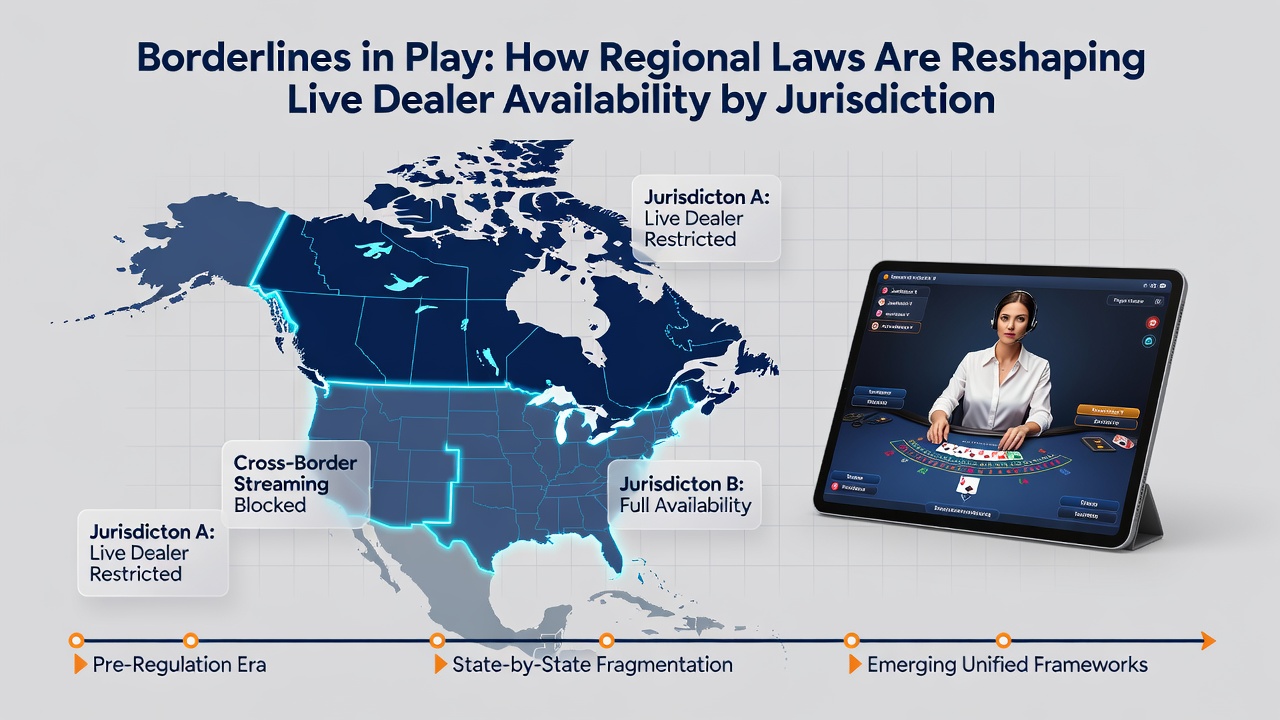
November 2026 Regulatory Shifts
Updates scheduled for November 2026 in several jurisdictions are expected to alter live dealer availability further, as new certification rules in parts of Europe and additional Canadian provinces come into effect. These changes focus on enhanced identity verification and real-time monitoring systems, which require studios to upgrade equipment and reporting processes before continued operation. Industry tracking indicates that platforms have already begun relocating select tables to facilities that satisfy the upcoming standards, while others pause service in markets where compliance timelines remain unclear.
Operator Adaptations Across Borders
Live dealer providers adapt by establishing multiple studio networks, each tailored to the licensing demands of target regions, and this approach allows continued service where single-location models would violate local statutes. Technical requirements around video latency, dealer background checks, and game fairness testing vary by jurisdiction, prompting investments in modular facilities that can isolate feeds for different regulatory zones. Evidence from recent licensing applications demonstrates that companies maintaining studios in both Malta and the Philippines achieve broader coverage because those locations satisfy overlapping compliance needs for several markets simultaneously.
Conclusion
Regional laws shape live dealer availability through licensing, geo-restrictions, and technical mandates that differ sharply by jurisdiction, and operators respond with distributed studio strategies and ongoing adjustments to meet evolving standards. As November 2026 approaches, further modifications in Europe and North America will likely refine which tables remain accessible to players in each area, continuing the pattern of jurisdiction-specific availability that defines the sector.